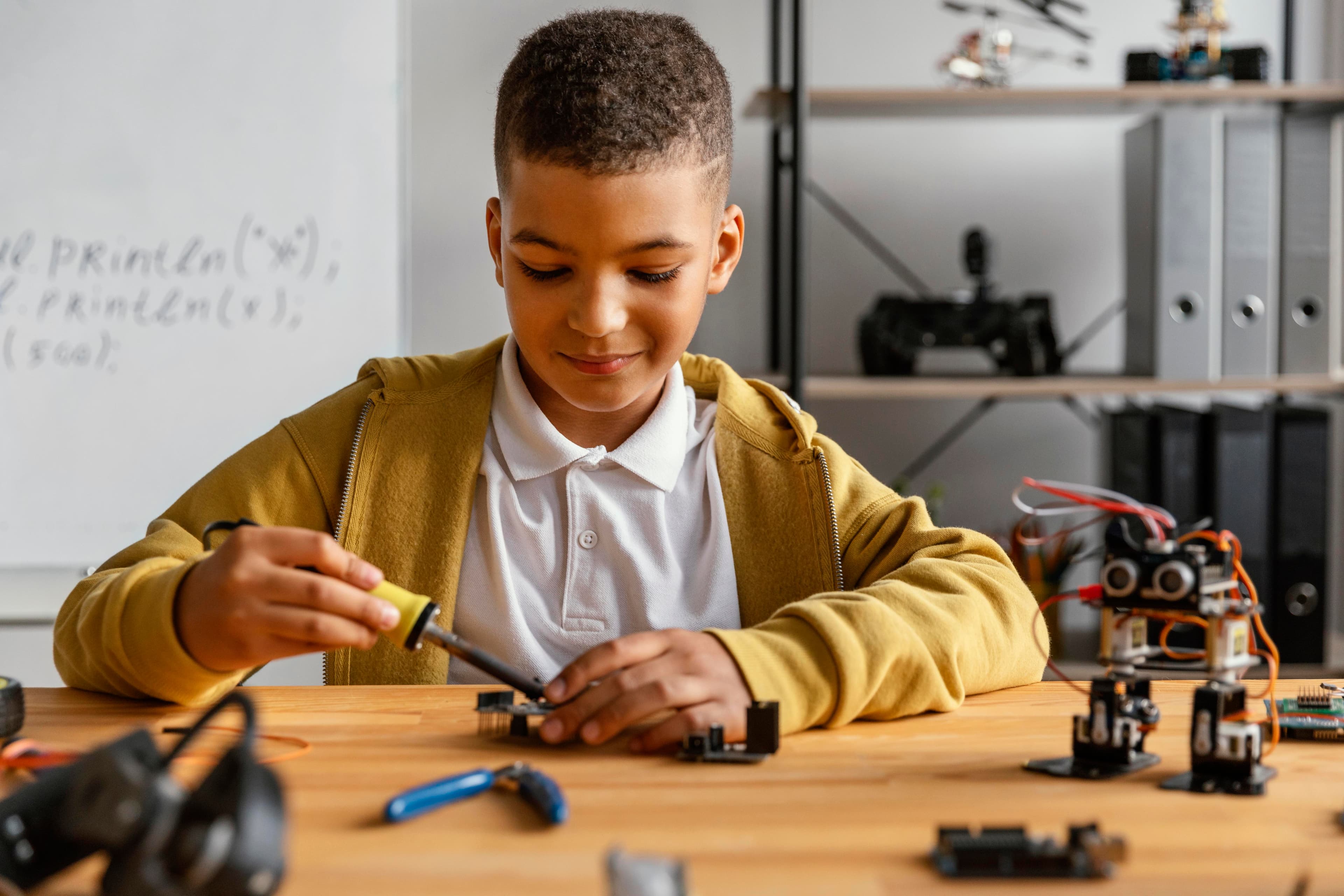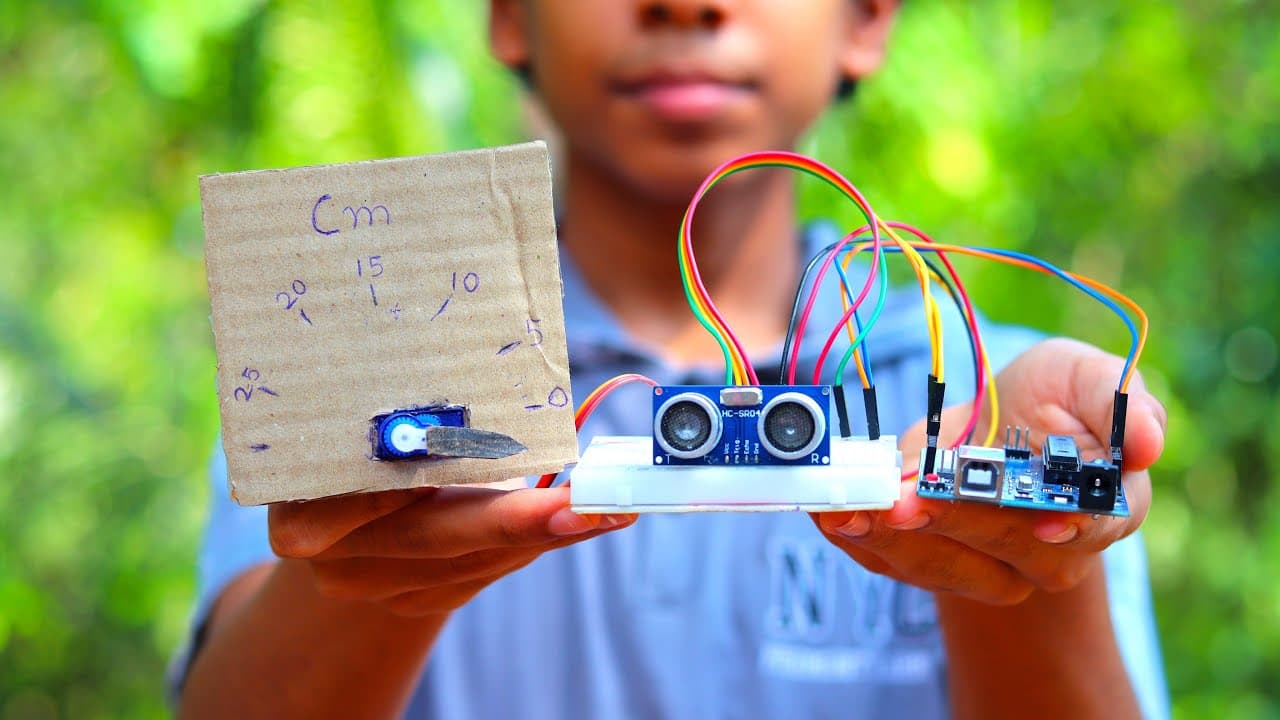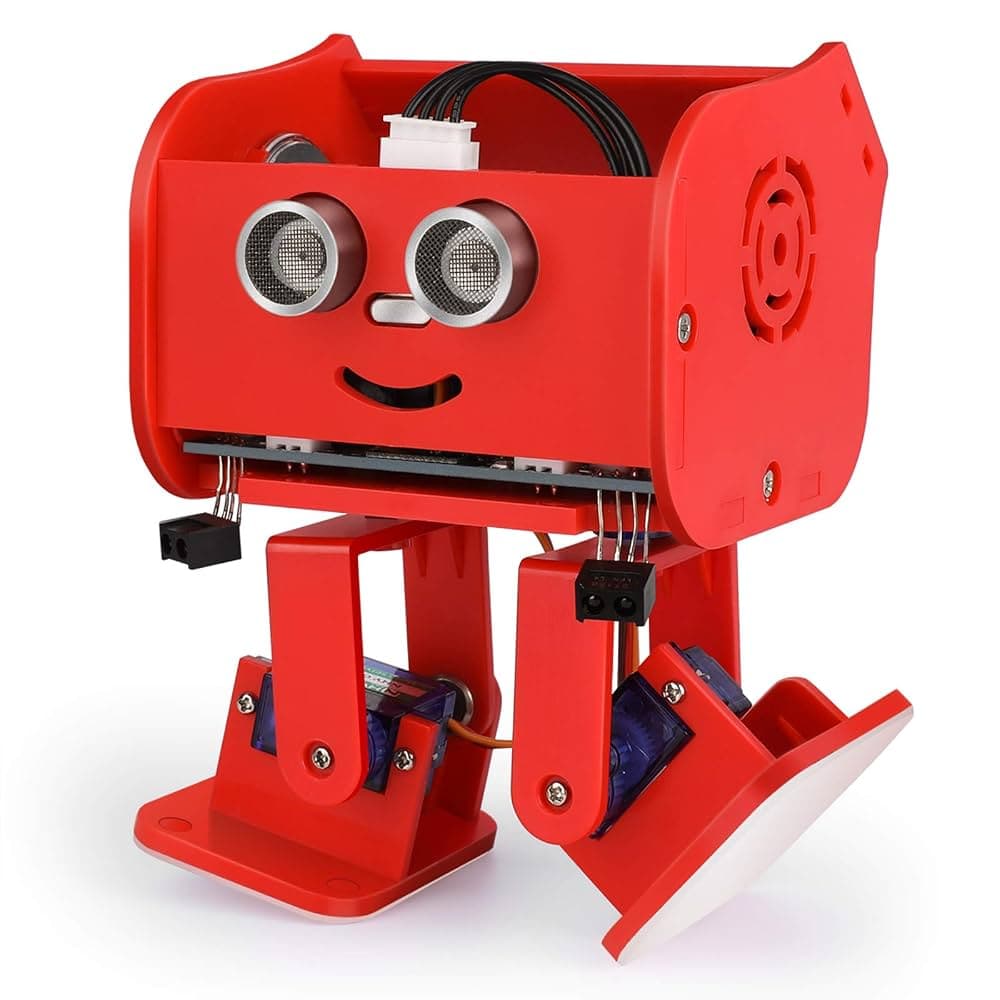

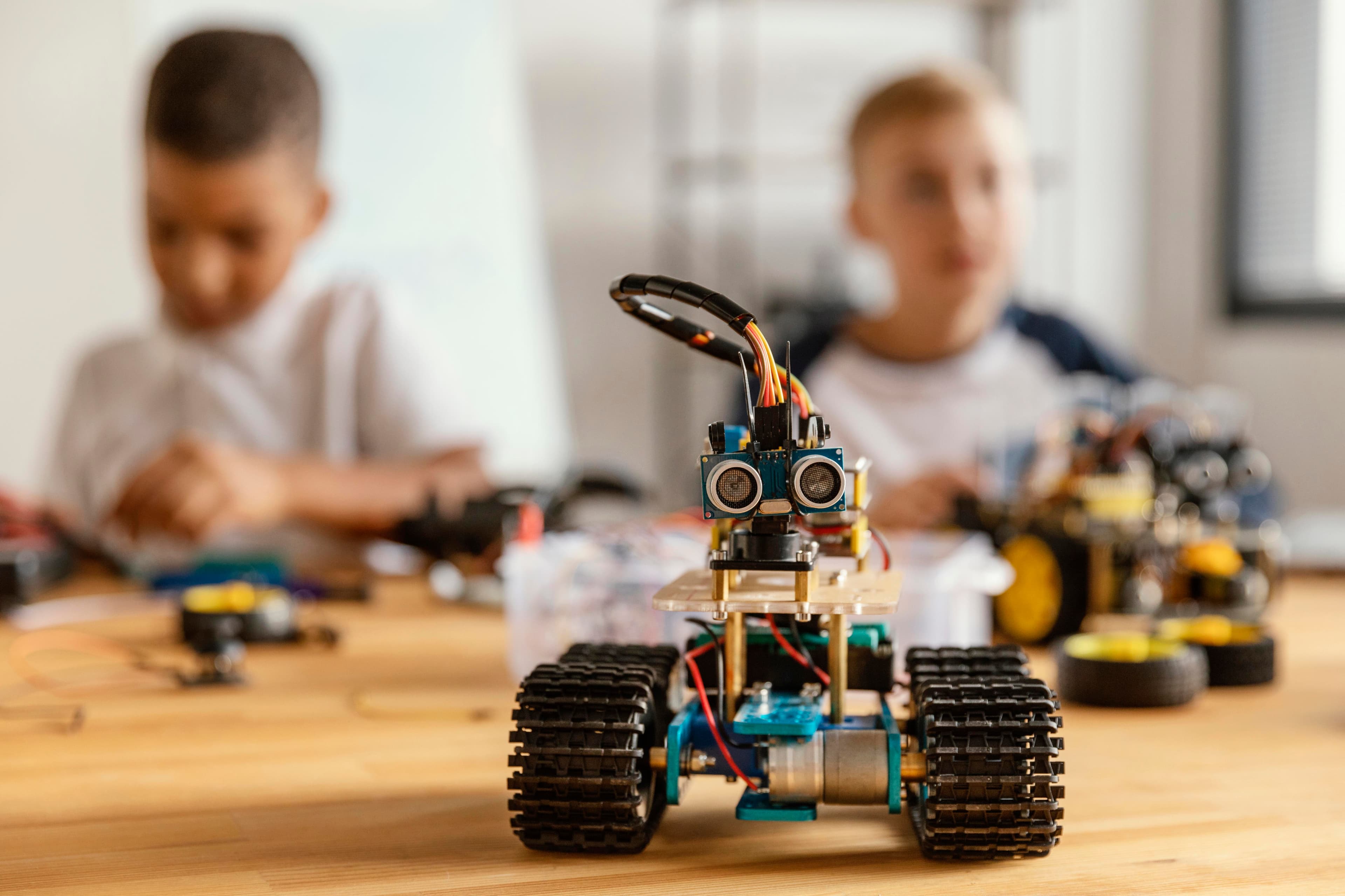
Few things capture a child's attention like a robot they built themselves. When their code makes wheels turn, sensors react or a buzzer sing, abstract ideas like variables, loops and circuits suddenly make sense. That is why robotics classes for kids and other STEM classes for kids have become one of the most popular ways to teach STEM in Ghana and around the world.
Robotics for kids in Ghana is growing fast, and so is robotics education in Ghana's schools. This guide covers what children learn in robotics classes, which tools suit each age, how to choose a robotics program or course, and how to start, whether at home, at school or online.
What do kids learn in robotics classes?
Robotics is several subjects in one. A good robotics class weaves them together through projects:
- Coding: from drag-and-drop blocks (MakeCode, Scratch-style) to Python and Arduino C/C++.
- Electronics: circuits, voltage and current, LEDs, motors, servos and how sensors measure the world.
- Mechanical design: gears, wheels, chassis and how to build structures that hold together.
- Mathematics in action: angles for turning, distance and speed, timing and measurement.
- Problem-solving and debugging: working out why the robot turned left instead of right, then fixing it.
- Teamwork and communication: most robotics work happens in pairs or small teams, ending with a demo or presentation.
Robotics learning by age
Ages 6 to 8: playful foundations
Young children learn sequencing and cause and effect. Unplugged coding games, simple circuit activities and robots controlled by a few commands work well. Sessions should be short, colourful and hands-on.
Ages 9 to 12: block coding and first robots
This is the sweet spot for the BBC micro:bit and kits built around it. Children program in blocks, see results instantly on the LED display, then move on to robot cars such as the TPBot Edu car kit that follow lines and avoid obstacles.
Ages 13 to 15: sensors, smart systems and competition robots
Teenagers can handle multi-sensor projects: smart homes, weather stations and automated farms. Many also enjoy competitive formats like robot soccer with kits such as the Cutebot football kit. This is also a good age to start moving from blocks to Python.
Ages 16 and up: Arduino, Raspberry Pi Pico and AI
Senior high students and beginners at university level are ready for Arduino training and text-based programming with boards like the Arduino Mega 2560 and the Raspberry Pi Pico starter kit. They can also try AI projects with an AI camera module that recognises faces, colours and objects.
Types of robotics classes and programs
| Format | Best for | What to expect |
|---|---|---|
| In-school robotics program for schools | Schools that want robotics for every student | Robotics built into the timetable with a curriculum, kits and trained teachers |
| After-school robotics club | Motivated students, competition teams | One to three sessions a week working towards projects and competitions |
| Holiday camp | Trying robotics intensively during school breaks | Several days of hands-on building, ending in a showcase |
| Workshop | A first taste, or teacher training | A focused half-day or full-day session on one topic |
| Online course + home kit | Self-motivated learners, flexible schedules | Video lessons and guided projects at the learner's own pace |
A good robotics program in Ghana often combines formats. Many families do too. For example, a child might attend a holiday robotics camp, then continue with an online robotics course and a kit at home.
How to choose a robotics class, course or robotics academy in Ghana
- Hands-on time: ask how much of each session students spend building. It should be most of it.
- Group size: two to four students per kit keeps everyone involved.
- Progression: check for a clear path from beginner to advanced, not the same activity every term.
- Instructor experience: look for instructors who have built real projects and can explain the engineering behind them.
- Take-home learning: courses, kits or project guides let children keep practising.
- Showcase opportunities: presentations, exhibitions and competitions keep motivation high.
How to get started this month
- At home: pick a beginner robotics kit from our robotics kits collection and work through its first three projects together.
- Online: enrol in a self-paced robotics course. Courses include practical projects and a certificate of completion.
- At school: speak to the head teacher about a robotics club, or point them to our programs for schools.
- For teachers: a STEM or robotics workshop is the fastest way to build the confidence to run sessions yourself.
Frequently asked questions
What age is best to start robotics classes?
Most children are ready for block-based robotics from about age 8 or 9. Younger children can start with playful, unplugged coding and simple circuits. Text-based programming with Arduino or Raspberry Pi Pico usually suits ages 13 and up.
Does my child need to know coding before a robotics class?
No. Good beginner robotics classes teach coding from scratch, usually starting with drag-and-drop blocks before moving to text-based languages like Python.
Can my child learn robotics online in Ghana?
Yes. Self-paced online robotics courses paired with a home robotics kit let children learn anywhere in Ghana, at their own pace, with projects they build and test themselves.
What is the difference between micro:bit and Arduino?
The micro:bit is designed for beginners. It has built-in LEDs, buttons and sensors and supports block coding. Arduino is more flexible and widely used in industry and university projects, and is usually programmed in C/C++. Many learners start with micro:bit and move on to Arduino.